

How to Buy Original Fine Art for Your Home Decor
Last Updated: November 21, 2026
Quick Summary
Buy original fine art for your home by starting with the room, not the painting. Measure the wall, decide what the space needs, then verify the work's originality through its certificate of authenticity, invoice, and provenance before paying.
- Measure the wall first; art over a sofa should span about two-thirds to three-quarters of the furniture's width.
- Center the piece about 57 to 60 inches from the floor, measured to its midpoint.
- Require a certificate of authenticity signed by the artist or an authorized gallery representative.
- Ask for the all-in cost, including framing, shipping, insurance, and hardware, before comparing prices.
- Keep the certificate, invoice, condition report, and back-of-work photos together with the artwork.
Table of Contents
- Where to Buy Original Art and What Each Source Offers
- Verify Originality Before You Pay
- Original Art vs. Prints for Home Decor
- Budgeting and Finding Original Art for Sale Affordably
- Buying Original Fine Art for Home Decor Online Step by Step
- Frequently Asked Questions
Buying original fine art for home decor works best when you begin with the room, not the painting.
Start by asking what the room is for. A living room that hosts guests can carry a larger, more expressive piece. A bedroom usually suits something calmer.
Next, measure the wall. For practical guidance on displaying fine art in tight apartments, see step-by-step tips for small-apartment art display.
Watch out: Hanging art too high is the most frequent placement mistake.
Where to Buy Original Art and What Each Source Offers
Original work reaches buyers through several channels, and each one trades selection, price, and support differently. Galleries curate a collection, which means you can see pieces in person and ask questions before buying. Artist studios and open studio events let you speak directly with the person who made the work.
Ask every seller the same basic questions: Who made this? Is it one of a kind or part of an edition? What is the medium and surface? Can I see documentation? A reputable source answers these without hesitation.
Verify Originality Before You Pay
Many buyers worry about reproductions, and that concern is reasonable. Our guide on How to Tell Original Art Prints From Reproductions walks through the physical checks in more detail.
Start with the surface. Original paintings usually show brushwork, texture, and variation that no printing process reproduces. Tilt the work under raking light and look for raised impasto, canvas weave showing through thin passages, and edges where paint wraps or stops. Check the edges and signature, then examine the back for a label, a date, and the artist's name.
Then move to the paper trail. Ask the seller for the following and read each one rather than accepting a verbal assurance:
- Certificate of authenticity (COA). It should name the artist, the title, the medium, the dimensions, the year, and the edition status (unique or numbered). It should be signed and dated by the artist or an authorized gallery representative, and it should carry contact information you can verify independently.
- Invoice or bill of sale. This establishes the chain from the artist or a licensed gallery to you and is the document insurers and appraisers ask for first.
- Provenance record. Provenance is the documented history of ownership (Ownership/Collecting History). For a recent original, a short chain is normal: artist to gallery to buyer. For an older work, ask for exhibition history, prior auction records, and any gallery labels on the verso.
- Condition report. Ask for a written description of any craquelure, repairs, tears, or prior restoration, with photos of the affected areas.
Questions to Ask About Provenance and Documentation
A reputable seller answers these without hesitation, and the answers should be consistent across the COA, invoice, and listing:
- Is this work unique, or is it part of an edition? If numbered, what is the total edition size and where is the number marked?
- Who is the current owner, and how did the seller acquire the piece?
- Has the work been sold through another channel, auction house, or dealer before?
- Will the COA be issued in my name at the time of sale, and does it match the invoice exactly?
- What is the return window if an independent appraiser or conservator finds a discrepancy?
Watch out: a COA is only as reliable as its issuer. A certificate printed by an anonymous online seller carries little weight; one signed by the artist or a gallery with a verifiable address and phone number is what appraisers and insurers expect to see.
Keep every document together with the artwork. Store the COA, invoice, condition report, and any correspondence in a folder, and photograph the back of the work before hanging it. If you later sell, insure, or donate the piece, that packet is what establishes its identity and supports its value.
Original Art vs. Prints for Home Decor
Originals and prints serve different purposes. An original is a single work, with its own surface and value tied to the artist's reputation. A limited edition print is produced in a numbered run and costs far less. Neither is wrong for your home. The question is what you want the piece to do.
| Factor | Original Art | Limited Edition Print |
|---|---|---|
| Uniqueness | One of a kind | Numbered edition |
| Typical use | Statement piece, collection | Décor on a budget, multiples |
| Texture | Visible brushwork | Smooth reproduction surface |
| Price range | Higher, varies by artist | Lower, more predictable |
Prints make sense when you want several pieces across a home or a fixed budget. Originals make sense when one piece should anchor a room.
Budgeting and Finding Original Art for Sale Affordably
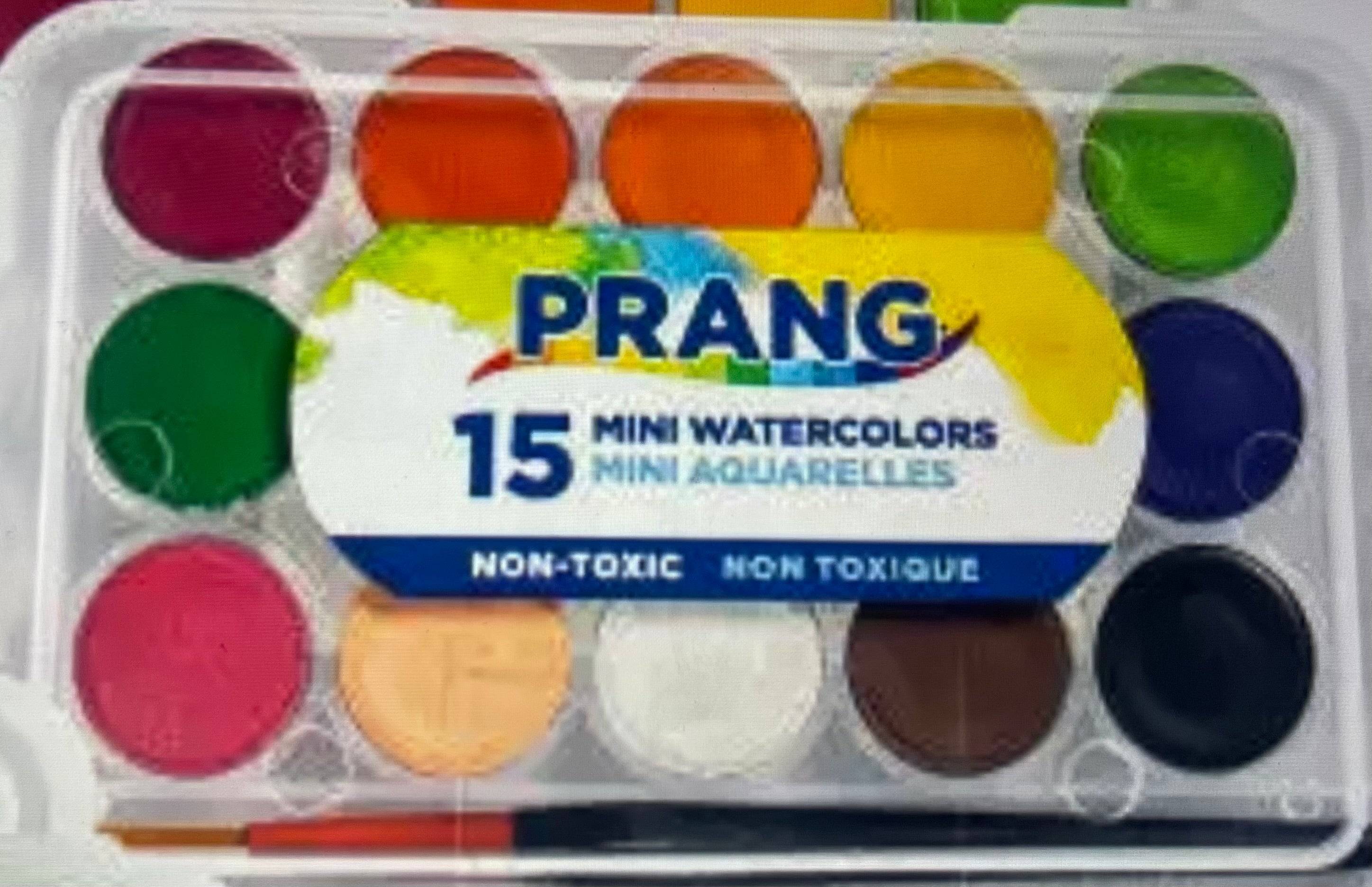
Original art does not have to be out of reach. Pricing depends on the artist, size, medium, and whether the work is framed. Browsing Mini Watercolors is a practical place to start, since small works fit tighter budgets and smaller walls. For more ideas, see Mini Watercolor Art for Small Spaces: A Practical Guide.
The mistake most first-time buyers make is budgeting only for the artwork. The purchase price is the headline number, but the all-in cost of hanging an original usually runs higher. Build your budget in five lines:
- Artwork price. Ask whether the quoted figure includes the frame. An unframed canvas and a framed work at the same price are not the same value.
- Framing. Custom framing is often the second-largest line item, and it scales with size and glazing choice. Conservation-grade glass or acrylic, acid-free matting, and a rigid backing protect the work but cost more than decorative framing. Ask the seller whether the piece is already framed and, if not, what frame depth and glazing the artist recommends.
- Shipping and handling. Oversized or fragile works may require crating, which can exceed ordinary parcel shipping. Ask whether shipping is included in the quote, whether the work ships framed or unmounted, and who files a claim if it arrives damaged.
- Insurance in transit. For higher-value pieces, confirm the shipment is insured for the full purchase price and get the policy or carrier coverage in writing before the work leaves the seller.
- Installation and hardware. French cleats, security hangers, and professional installation add cost for large or heavy works. Factor in the hardware and, for anything you cannot safely hang yourself, an installer.
A common pattern is that the artwork is the smallest of these lines for a large framed piece, so ask for a written quote that separates them before you commit.
Finding Affordable Originals Without Cutting Corners
Affordability comes from size, medium, and channel more than from quality. Small works on paper, studies, and works by emerging artists carry lower prices than large canvases by established names.
Watch out: a price that looks low may exclude framing, crating, or insurance, and those add-ons can change the total substantially. Ask for the all-in figure, artwork, frame, shipping, insurance, and hardware, before you compare two pieces, because the cheaper headline price is often not the cheaper purchase.
Buying Original Fine Art for Home Decor Online Step by Step
Buying online works well when you prepare. Confirm the exact dimensions, including the frame.
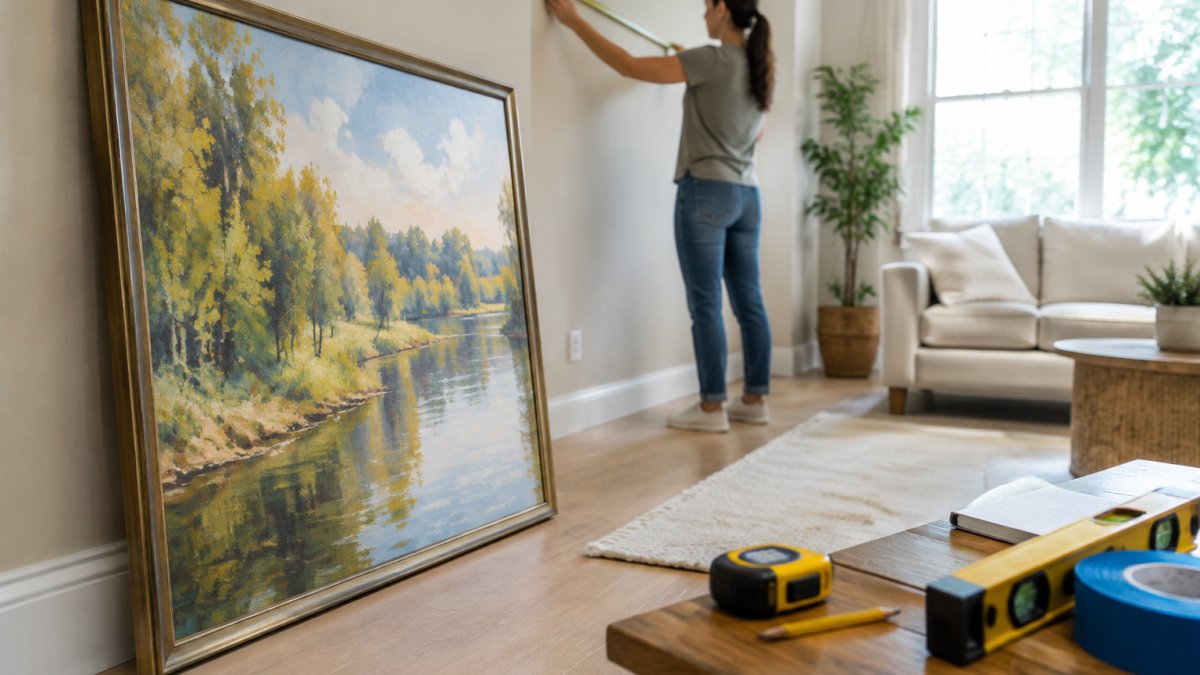
For a fuller walkthrough, read 7 Smart Steps to Fine Art Buy Online With Confidence. Before you pay, confirm that the seller will accept the piece back if it does not fit the room you planned.
Best for: buyers who want one considered piece for a specific wall. Skip if: you need a finished piece by a fixed date and cannot wait for shipping.
Begin with the room, verify the work, and buy only what fits both the space and your budget.
Frequently Asked Questions
Where is the best place to buy original art?
The best source depends on your budget and what you want from the purchase. Galleries offer curation and in-person viewing, while artist studios and direct artist websites let you buy straight from the creator and often ask about the work's history. Online marketplaces offer the widest selection and price range. Whichever you choose, ask for a written certificate of authenticity, a description of the medium and dimensions, and the return policy before you pay. For current pricing or a quote on a specific piece, contact Panoply Fine Art through its website.
How can I tell whether a piece of art is original?
An original is a unique work made by the artist, such as a painting, drawing, or sculpture, while a print is a reproduction made in multiple copies. Check the signature, the medium described in the listing, and whether the seller provides a certificate of authenticity that names the artist, title, date, and dimensions. Look for brushwork, texture, or paper grain in the photos that a printed reproduction would not have. For limited edition prints, confirm the edition number and the size of the edition. Ask the seller to explain how the work was produced and where it has been held.
How do I choose the right size artwork for a room?
Measure the wall first and leave a clear margin on each side. A common guide is to fill roughly half to two-thirds of the wall width above a sofa or console, which keeps the piece from looking lost. Hang the center of the artwork about 57 to 60 inches from the floor, which is the typical museum height. Tape the dimensions on the wall with painter's tape before you commit to a purchase so you can see the scale in the room.
How much should I spend on original art for my home?
Budget for the artwork price plus framing, shipping, and any insurance, since those costs can add meaningfully to the total. Set a range first, then look at works in that range rather than starting with the piece you like most. Pricing depends on the artist, medium, size, and whether the work is a one-of-a-kind original or a limited edition print. Contact Panoply Fine Art through its website for current pricing or a quote on a specific piece.
